

 david
david The Allure of Risk and Reward
The psychology of gambling often hinges on the thrill associated with risk and reward. Many individuals are drawn to casinos due to the possibility of winning large sums of money, which can trigger dopamine release in the brain. This creates a euphoric feeling akin to addiction, reinforcing the behavior. Additionally, the allure of finding the best online casinos michigan can make the gambling experience all the more enticing. The gamble itself becomes more than just a game; it morphs into a captivating experience, compelling players to continue seeking out that rush.
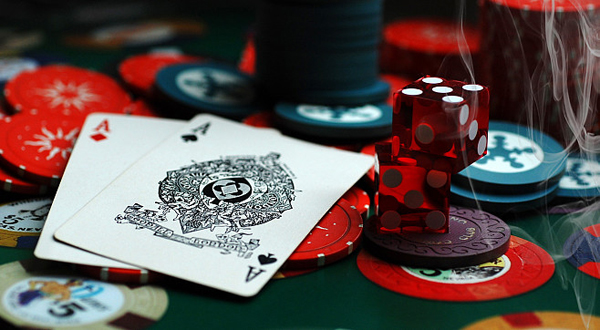
The ‘near-miss’ phenomenon also plays a significant role in gambling behavior. When players come close to winning, their brains interpret this as a potential victory, even if they lose. This can lead to continued play as gamblers believe they are “on the verge” of success, which keeps them engaged and invested in the outcomes, blurring the line between chance and skill.
Emotional Factors in Gambling
Emotions significantly influence gambling habits, often driving individuals to seek solace in gaming environments. For some, gambling serves as an escape from stress, anxiety, or feelings of inadequacy. The immersive atmosphere of casinos, with their bright lights and lively sounds, can momentarily distract players from real-life problems, offering a temporary refuge.
However, this emotional relief can lead to problematic gambling behaviors. When people rely on gambling as a coping mechanism, they may find themselves in a cycle of loss and regret, further exacerbating their emotional struggles. Understanding these emotional triggers can be crucial in addressing and mitigating the negative impacts of gambling.
The Social Context of Gambling
The social dynamics of gambling contribute profoundly to its appeal. Many gamblers enjoy the camaraderie of shared experiences with friends or family in a casino setting. This social aspect can enhance enjoyment and encourage repeat visits. The act of gambling often becomes a bonding activity, fostering connections among players.
Yet, social influences can also perpetuate unhealthy gambling habits. Peer pressure and group norms may encourage excessive gambling, especially in environments where winning is celebrated. Recognizing these social pressures is vital for gamblers to understand their motivations and potentially harmful group behaviors.
The Role of Cognitive Biases
Cognitive biases play a pivotal role in gambling psychology, affecting decision-making processes. Gamblers may fall into patterns of thought that skew their perception of odds and outcomes. For instance, the illusion of control leads some players to believe they can influence results through skill or strategy, despite gambling being largely based on chance.
These biases not only drive continued gambling but can also prevent individuals from recognizing the risks involved. By understanding cognitive biases, gamblers can better evaluate their behavior and possibly identify when it is time to seek help if necessary.
Conclusion: Navigating the Gambling Landscape
Understanding the psychology behind casino gambling habits is essential for both gamblers and those looking to support them. By recognizing the emotional, social, and cognitive factors at play, individuals can make informed decisions about their gambling behavior. Moreover, awareness can lead to healthier practices and potentially reduce the incidence of gambling-related problems.
As online gambling continues to rise, security and responsible gaming practices become paramount. It’s essential to create a safe environment for players, ensuring they can enjoy their experiences without falling into harmful patterns. Responsible gambling initiatives and protective measures are vital to fostering a culture of safety in the gaming landscape, allowing players to navigate their habits thoughtfully.
