

 david
david Understanding the psychology of gambling Insights from Aviator
The Allure of Gambling
Gambling captivates millions worldwide, primarily due to the thrill and excitement it offers. The psychological factors that contribute to this allure are deeply rooted in human behavior. Many gamblers experience a rush of adrenaline as they place bets, driven by the hope of winning. This excitement creates a cycle where the anticipation builds, encouraging individuals to engage repeatedly, often leading to a quest for larger stakes. For instance, Aviator offers insights into how this cycle can be both compelling and dangerous.
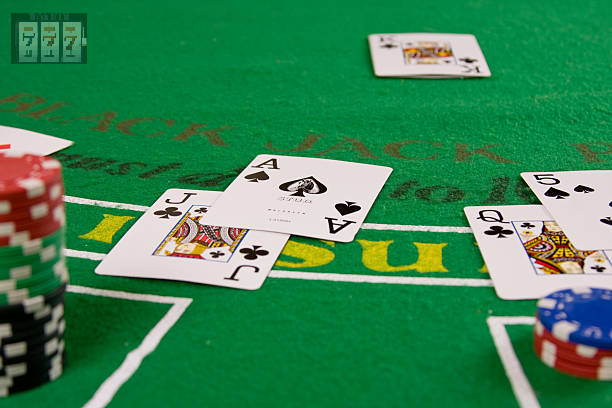
Additionally, the concept of risk versus reward plays a crucial role in this allure. Many gamblers perceive their chances of winning as higher than they truly are, a cognitive bias known as the illusion of control. This perspective makes the gambling experience even more appealing, as the thought of potential success overshadows the real risks involved.
Online vs. Offline Gambling
The evolution of technology has transformed the gambling landscape, giving rise to online platforms that offer unprecedented convenience. Online gambling allows individuals to engage in their favorite games from the comfort of their homes, removing the barriers that traditional venues present. The ease of access can heighten the psychological thrill, as players can quickly switch between games and bets, enhancing the potential for impulsive behavior.
However, offline gambling provides a different social dynamic. The environment of a physical casino fosters social interactions, which can amplify the excitement of gambling. Many players thrive on the atmosphere created by others, leading to a shared experience that cannot be replicated online. This social aspect can influence betting behaviors and decisions, showcasing the diverse psychological experiences associated with gambling formats.
The Impact of Environment on Gambling Behavior
The surrounding environment significantly influences gambling behavior and psychological responses. In a physical casino, bright lights, sounds, and the presence of fellow gamblers create an immersive experience. These elements are designed to stimulate excitement, triggering emotional responses that can lead to increased gambling activity.
In contrast, online gambling lacks these sensory stimuli. However, it compensates with personalized experiences and targeted promotions, such as bonuses and rewards. This tailored engagement can evoke similar psychological responses, drawing players into a digital realm where the lines between control and impulsivity often blur.
Addiction and Its Psychological Underpinnings
The risk of gambling addiction is a significant concern within the gambling community. The psychological mechanisms behind this addiction involve a complex interplay of factors, including reward pathways in the brain that become activated during gambling. When players win, the brain releases dopamine, creating a pleasurable experience that encourages further gambling.
Over time, this can lead to a vicious cycle where the need for greater thrills pushes individuals to gamble beyond their means. The compulsion to chase losses can become overpowering, demonstrating the profound psychological impact gambling can have on an individual’s life and relationships.

Enhancing User Experience through Resources
This website serves as a valuable resource for individuals seeking to understand gambling better. By providing expert insights and a wealth of information, it aims to foster a deeper understanding of the psychological aspects of gambling. Visitors can explore various topics related to gambling behaviors and gain access to tools that promote responsible gaming.
The platform is designed to enhance user engagement, ensuring visitors can navigate easily and find the content that caters to their interests. By equipping users with knowledge, the website not only encourages informed decisions but also supports a healthier approach to gambling.
